
Introduction
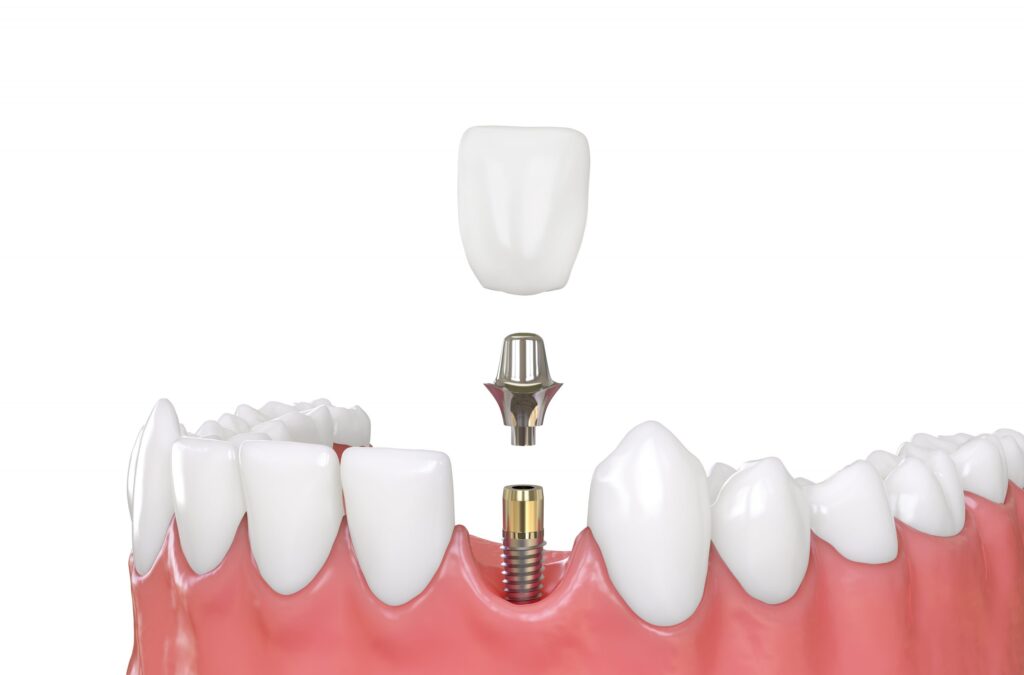
Dental implants are widely considered one of the most durable and natural-looking solutions for missing teeth. Designed to integrate with the jawbone, they offer stability, comfort, and functionality that closely mimic natural teeth. However, even the most advanced dental implant cannot reach its full lifespan without proper aftercare. How you care for your implant after placement plays a major role in preventing complications, preserving surrounding bone and gum health, and ensuring long-term success.
With the right habits and professional support, dental implants can last for decades—and often a lifetime.
Follow Post-Procedure Instructions Without Compromise
The healing phase immediately after implant surgery is one of the most critical stages. During this time, the implant fuses with the jawbone through a process called osseointegration. Your dentist will provide detailed instructions regarding oral hygiene, medications, diet, and physical activity, all aimed at protecting the implant site.
Avoiding pressure on the implant, refraining from touching the area with your tongue or fingers, and taking prescribed medications as directed help reduce inflammation and prevent infection. Skipping steps during this early phase can disrupt healing and increase the risk of implant failure, even before the final crown is placed.
Commit to Consistent and Thorough Oral Hygiene
Although dental implants are not susceptible to cavities, the gums and bone supporting them are still vulnerable to bacterial infection. Plaque buildup around the implant can lead to peri-implant disease, which may cause gum inflammation, bone loss, and eventual implant instability.
Brushing twice daily with a soft-bristled toothbrush helps keep the implant area clean without damaging the gums. Flossing around implants is just as important as flossing natural teeth. Many dentists recommend specialized floss, interdental brushes, or water flossers to effectively clean around implant posts and beneath crowns.
Daily oral care is the foundation of implant longevity. Skipping even small steps can allow bacteria to accumulate over time.
Keep Up with Regular Dental Visits
Routine dental checkups are essential for maintaining implant health. During professional cleanings, plaque and tartar are removed from areas that are difficult to reach at home. Dental exams allow your provider to evaluate gum health, bone levels, bite alignment, and the integrity of the implant crown.
Early detection of issues such as gum inflammation, micro-movement, or bite pressure helps prevent more serious complications later. Even if your implant feels completely normal, ongoing monitoring ensures that hidden problems don’t progress unnoticed.
Avoid Smoking and Nicotine Products
Smoking significantly increases the risk of dental implant complications. Nicotine restricts blood flow to the gums, slows healing, and weakens the body’s ability to fight infection. Smokers are more likely to experience poor osseointegration, gum recession, and implant failure compared to non-smokers.
Quitting smoking—or at least avoiding it during healing and long-term maintenance—greatly improves implant outcomes. For patients considering dental implants, many dentists strongly encourage smoking cessation as part of the treatment plan.
Be Mindful of Diet and Chewing Habits
Once fully healed, dental implants are strong enough for everyday eating, but mindful habits still matter. Biting down on excessively hard objects such as ice, pens, or hard candies can damage the implant crown or place excessive stress on the implant itself.
A balanced diet supports healthy gums and bone, which are essential for implant stability. Limiting sugary and acidic foods also helps reduce bacterial growth around the implant site. Treating implants with the same care as natural teeth helps preserve both function and appearance.
Address Teeth Grinding and Jaw Clenching
Chronic teeth grinding or clenching, especially during sleep, can exert intense pressure on dental implants. Over time, this stress may loosen implant components, fracture crowns, or strain the surrounding bone.
If you grind your teeth, your dentist may recommend a custom night guard. Wearing it regularly helps protect implants and natural teeth alike, reducing wear and maintaining proper bite alignment.
Watch for Early Warning Signs
Dental implants should feel stable, comfortable, and pain-free once healing is complete. Any changes—such as swelling, bleeding, persistent soreness, gum redness, or a loose sensation—should be addressed promptly.
Early intervention often allows for conservative treatment that preserves the implant. Ignoring symptoms may allow minor issues to progress into more serious conditions requiring complex procedures or implant replacement.
Understand That Implants Require Long-Term Care
While dental implants are a long-lasting solution, they are not maintenance-free. They require the same level of attention as natural teeth, along with added awareness of gum and bone health. Viewing implants as a long-term investment encourages better daily habits and regular professional care.
Patients who prioritize preventive care tend to experience fewer complications and enjoy better overall oral health alongside their implants.
Also Read: How Modern Technology is Revolutionizing Dental Implants in Toronto
Conclusion
Dental implants offer a reliable, natural-looking, and long-term solution for tooth replacement—but their success depends heavily on proper aftercare. From following post-surgical instructions and maintaining excellent oral hygiene to attending regular dental checkups and making healthy lifestyle choices, every step contributes to implant longevity.
By treating your dental implants with consistent care and respect, you protect not only your investment but also your comfort, confidence, and oral health for years to come. With the right approach, dental implants can remain strong, functional, and aesthetically pleasing for a lifetime.